Active since 1992 – ongoing
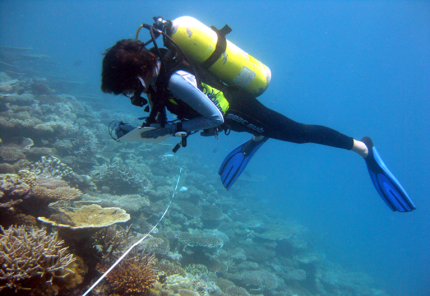
It is one of the largest projects that have characterized both the exhibition itinerary of the Genoa Aquarium and a series of activities, including several in situ expeditions, from the beginning.
The project (which involved all the companies that have progressively managed the Genoa Aquarium over the years, in addition to the Genoa Aquarium Foundation since its activation) was initially conducted by IDEA Inc, based on previous scientific experiences of specialists, who collaborated in the creation of a large exhibition area along the route of the Genoa Aquarium, and was then taken up by the Marine-Maritime Technology Center, by Costa Aquarium Srl and then by Costa Edutainment SpA. Since 2003, the Genoa Aquarium Foundation Onlus has also joined in.
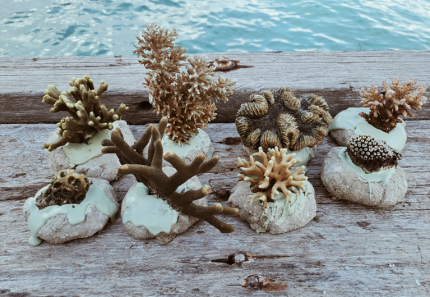
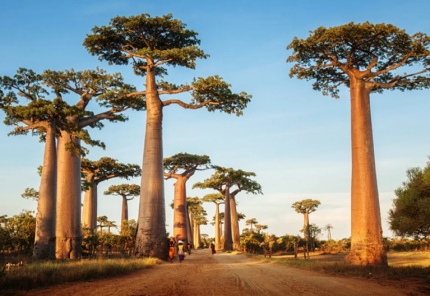
The project has concerned and concerns the promotion of knowledge on the very high biodiversity of Madagascar, through the creation, in the Aquarium's path, of a large tank on the local coral environment, a large vertical green wall to represent terrestrial plant biodiversity, and various exhibition areas on Malagasy amphibians and reptiles.
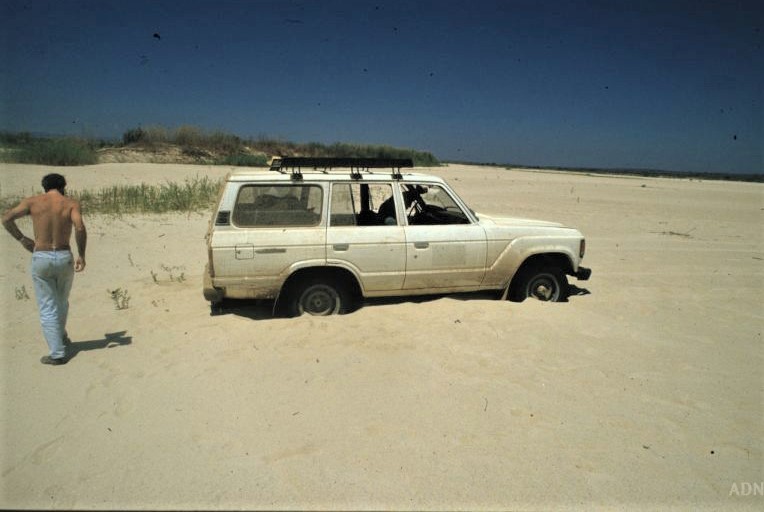
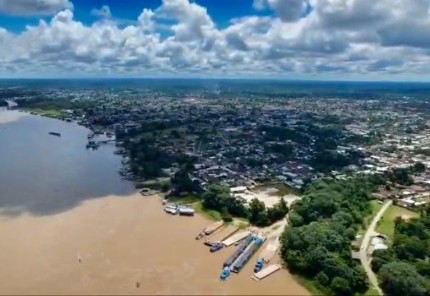
As part of the overall project, a field mission was carried out to develop an ecosystem recovery project for the largest catchment area in Madagascar, the Betsiboka River, an area with a very high level of biodiversity, where human action has created several problems. The recovery project was developed in detail, with an intervention plan estimated to last about 30 years, which was then donated to the Ministry of the Environment of Madagascar, so that it could be submitted for financing to the World Bank.
During one of the many scientific missions on site, carried out by various biologists, in the Tsingi de Bemaraha area, the smallest species of chameleon known to date, Brookesia exarmata (Schimmenti and Jesu, 1996) was discovered and, to make it known to the public, a dedicated exhibition area was also created for several years.
In 2006, a further expedition was carried out in which the populations of the tomato frog ( Dyscophus antongili ) were mapped and their size was estimated. This mission concluded a series of studies to evaluate the real threats looming over the Malagasy amphibian species considered to be endangered.
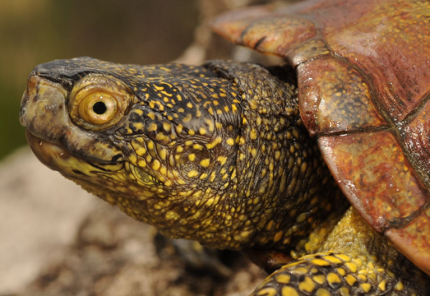
As part of the project, a collaboration was activated with the University of Antananarivo, for the transfer of know-how for the ex situ maintenance and reproduction of threatened species, but also for the training of scientific personnel. The Fondazione Acquario di Genova Onlus supported the transfers of some Malagasy researchers to Italy (Prof. Rakotofiringa and Prof. Randrianirina), while the Acquario di Genova – Costa Edutainment SpA made its structure and its specialists available, also for an ex situ reproduction program of the radiated tortoise Pyxis arachnoides , which it actively follows.
Partner:
Genoa Aquarium – IDEA Inc., Genoa Aquarium – Marine-Maritime Technology Center, Genoa Aquarium – Costa Aquarium srl, Genoa Aquarium – Costa Edutainment SpA, Genoa Aquarium Foundation Onlus, Friends of the Aquarium Association Onlus, Italian Embassy in Madagascar, Consulate of Madagascar in Genoa, Regional Museum of Natural History – Turin, University of Antananarivo – Faculty of Biology (now Science), Tsimbazaza Botanical and Zoological Park, Ministry of Water and Forests of Madagascar, Ministry of the Environment and Sustainable Development.